
Complete Guide: How a Cash Register Works
Condividi
Introduction
A cash register is an essential tool for any business, fundamental for managing transactions and ensuring tax compliance. Understanding how a cash register works can improve operational efficiency and ensure accurate sales management. In this guide, we will explore how cash registers work, their main components, and the benefits of using electronic models.
Components and Operation of a Cash Register
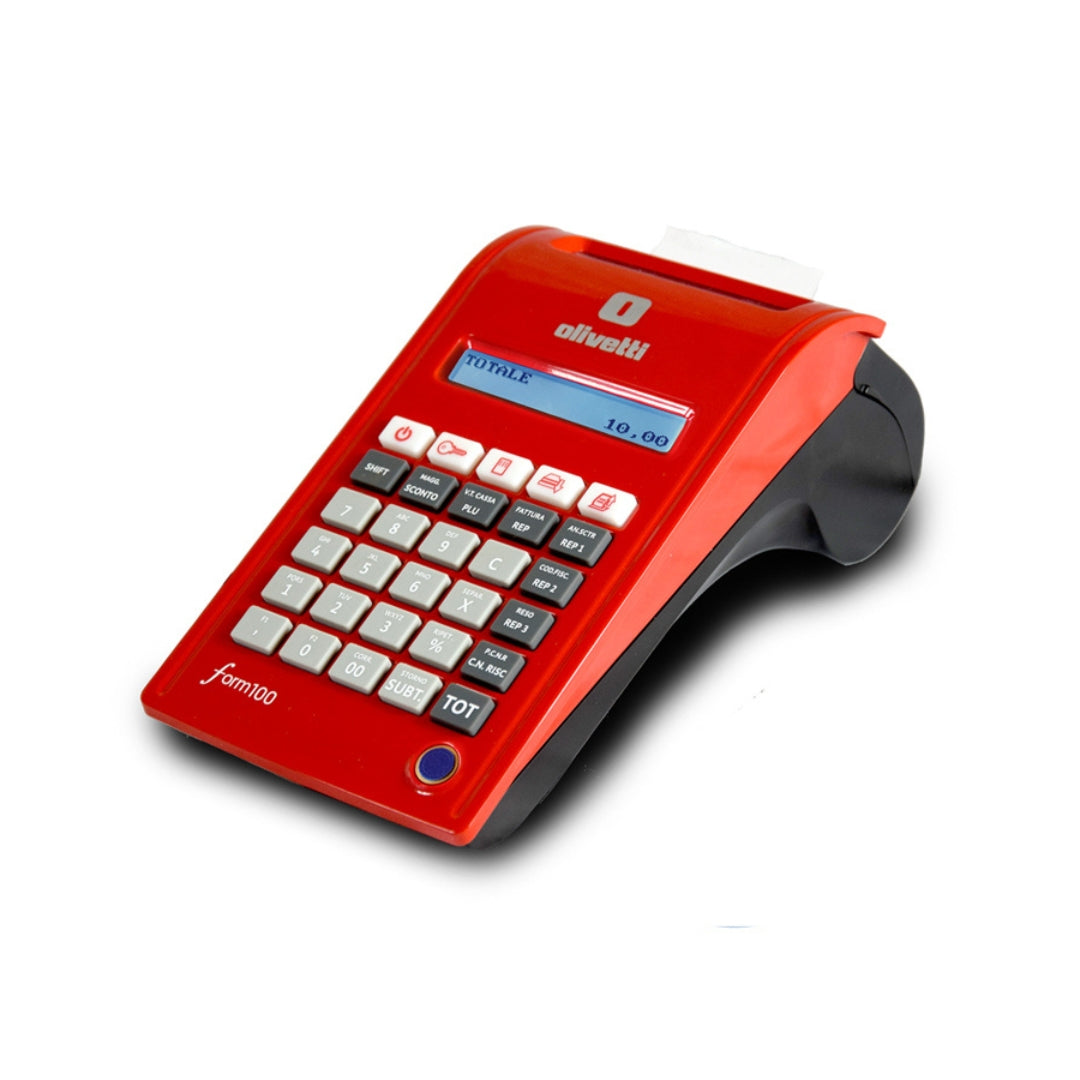
A standard cash register consists of several key parts:
- Display: shows the transaction amount to both the operator and the customer.
- Keyboard or Touchscreen: for manually entering prices or selecting products.
- Cash Drawer: securely stores cash and coins.
- Printer: issues the receipt with the transaction details.
- Barcode Scanner (optional): facilitates product entry by reading barcodes.
Operation begins with entering or scanning the purchased products. The register automatically calculates the total, applying any applicable taxes such as VAT. Once payment is received, the device issues a receipt showing details such as the date, time, amount, and payment method. In electronic models, transaction data is sent directly to the Italian Revenue Agency, ensuring greater tax transparency.
Benefits of Electronic Cash Registers
Electronic cash registers offer numerous benefits:
- Automated Tax Compliance: they automatically transmit sales data to the Italian Revenue Agency, reducing the risk of errors or penalties.
- Operational Efficiency: they simplify end-of-day cash register procedures and sales management.
- Reduction of Tax Evasion: they ensure accurate recording of all transactions, contributing to tax transparency.
- Integration with Other Systems: they can be connected to management software, improving inventory and sales management.
The adoption of electronic registers became mandatory in Italy on January 1, 2020, for all businesses that issue receipts or tax receipts, with the aim of simplifying the process of recording and transmitting payments.
Practical Examples of Use
Consider a clothing store:
- Recording the Sale: the cashier scans the barcodes of the items selected by the customer.
- Total Calculation: the register adds up the prices, applies any discounts, and calculates the VAT.
- Payment: the customer pays in cash or by card; the register handles both methods.
- Receipt Issuance: the receipt is printed with all the transaction details.
- Electronic Transmission: in electronic models, the sales data is sent to the Italian Revenue Agency.
This process ensures efficient sales management and compliance with current tax regulations.
Conclusion
Understanding how a cash register works is essential to ensuring the efficiency and tax compliance of your business. Adopting electronic models offers further benefits by automating data transmission and contributing to tax transparency. Investing in a cash register suited to your business needs can significantly improve transaction management and overall organization.
Frequently Asked Questions
1. What is an electronic cash register?
It is a device that records sales and automatically transmits the data to the Italian Revenue Agency, ensuring tax compliance.
2. Is it mandatory to have an electronic cash register?
Yes, since January 1, 2020, it has been mandatory for all businesses that issue receipts or tax receipts.
3. What are the benefits of an electronic cash register?
It offers automated tax compliance, operational efficiency, reduced tax evasion, and integration with other management systems.
4. How do I choose the right cash register for my business?
Evaluate your business's specific needs, transaction volume, and required features, such as integration with management software.
5. What are the penalties for not using an electronic cash register?
Failure to use an electronic cash register, which has been mandatory since January 1, 2020, can result in significant penalties. Businesses that do not comply risk fines that vary depending on the severity of the offense and the frequency of violations. Furthermore, failure to transmit payments to the Italian Revenue Agency can lead to additional penalties, including the temporary suspension of business operations in cases of repeat offenses.
It is therefore essential to acquire an electronic cash register that complies with current regulations to avoid legal consequences and ensure your business's tax transparency.
To learn more about the topic and choose the cash register best suited to your needs, consult our detailed guide.
Invest in the future of your business: choose the cash register best suited to your needs today and optimize the management of your business operations!